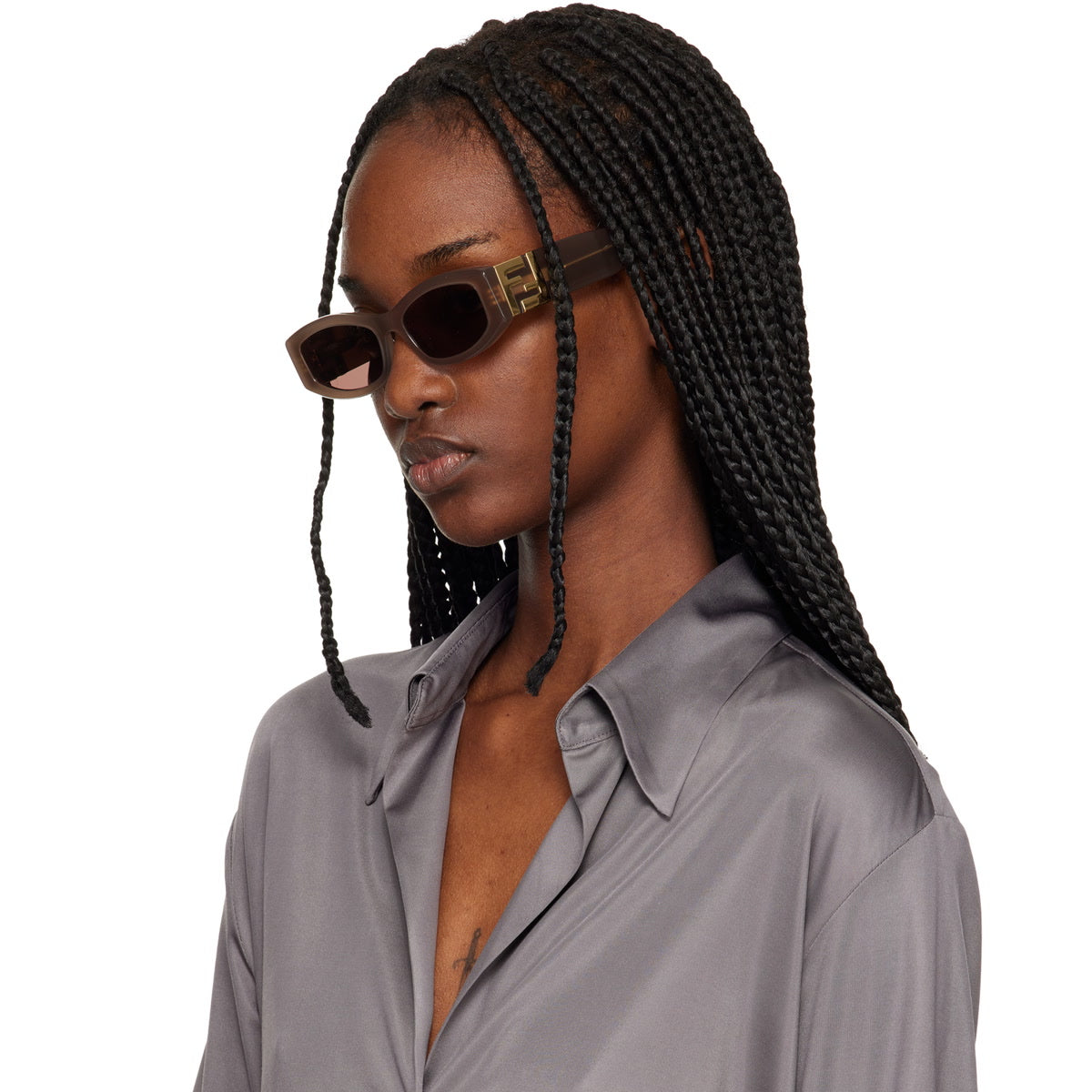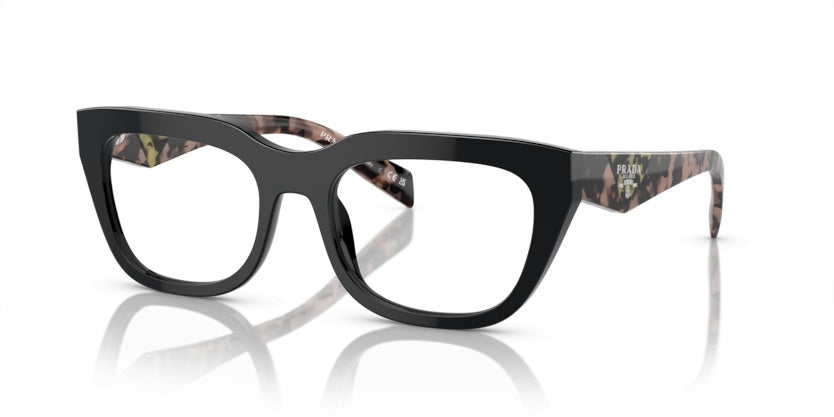
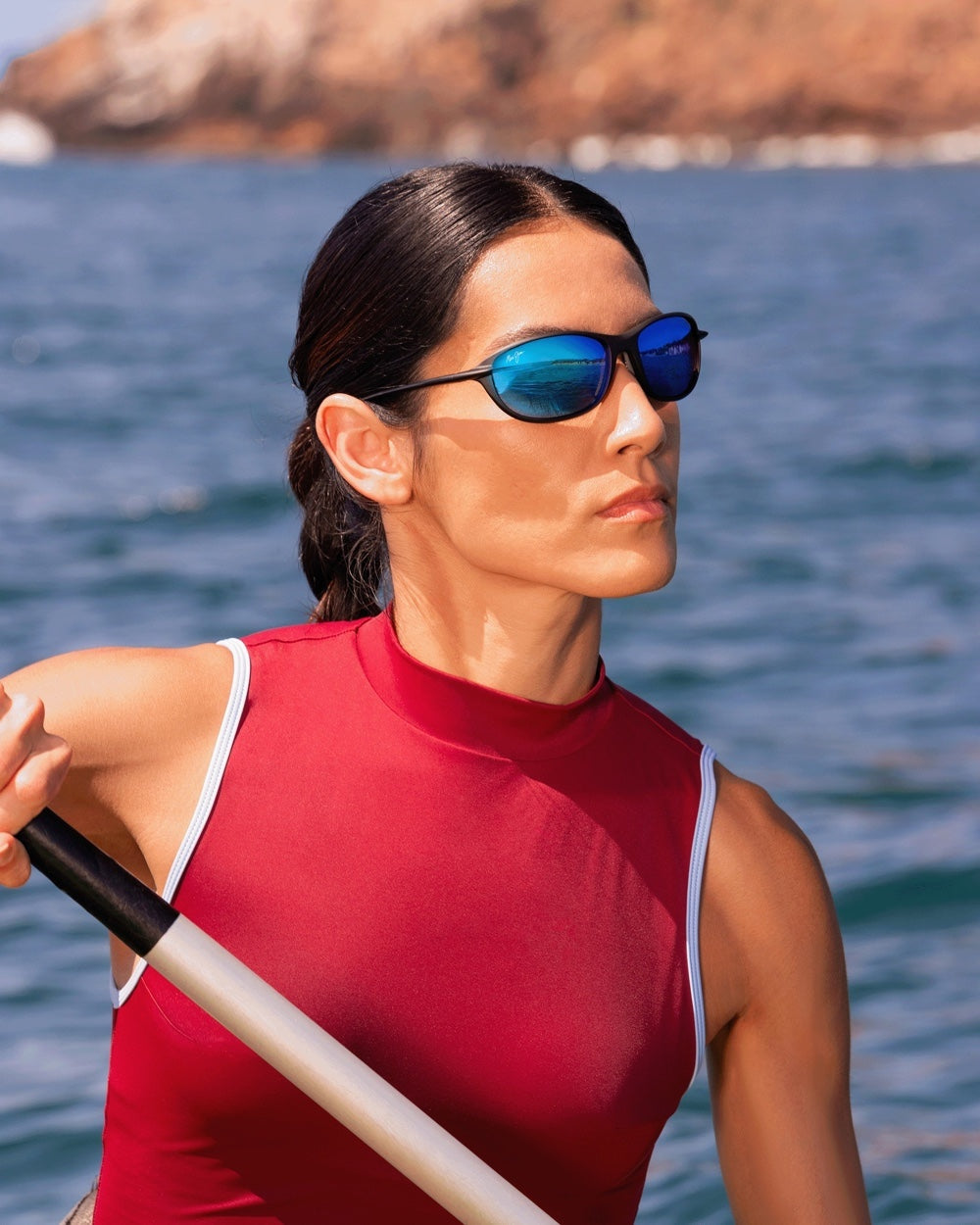
Serengeti and Maui Jim both make premium sunglasses around the lens rather than treating it as an afterthought. That shared priority is why they are often compared. The experience, however, is not identical.
Serengeti’s signature is a lens that adapts to changing light while controlling glare and colour. Maui Jim’s signature is consistent polarization with vivid colour and a broad choice of lens materials. The better option depends on where you use the glasses, how often the light changes and what kind of visual character you enjoy.
The short answer
Choose Serengeti when you drive frequently, move between sun and cloud, or value a photochromic lens that changes gradually with UV exposure. Choose Maui Jim when glare control, bright conditions, water and a vivid, immediately noticeable view are the priorities.
Both brands offer excellent optical performance. This is a question of use, not a league table.
What Serengeti lenses do differently
Serengeti describes its core lens as a combination of photochromic technology, Spectral Control and polarization. The photochromic element reacts to UV and changes density as conditions change. Spectral Control is designed to manage selected wavelengths to improve colour and contrast. Polarization reduces reflected glare from roads, water, snow and other flat surfaces.
In practical terms, Serengeti is attractive when the same pair must cope with varied light. A morning drive, cloud cover, exposed motorway and late-afternoon sun create different demands. A photochromic sun lens cannot replace a clear night-driving lens, but it can make daytime transitions feel less abrupt.
The classic Drivers family uses a warm tone that many motorists appreciate because it separates detail and gives the scene a richer appearance. Other colours, including 555nm green-based lenses, create a more neutral or balanced view.
What Maui Jim lenses do differently
Maui Jim equips its sunglasses with PolarizedPlus2 technology. The brand focuses on glare reduction, UV protection, clarity and colour enhancement. The effect is often immediately visible around water, white surfaces and bright roads.
Maui Jim also offers several lens materials. SuperThin Glass prioritises crisp optics and scratch resistance. MauiBrilliant aims to approach glass-like clarity at lower weight. MauiPure balances clarity, low weight and resistance, while other materials serve specific construction and prescription needs.
Lens colour is a major part of the choice:
- Neutral Grey is intended for bright, direct sunlight and a neutral colour balance.
- HCL Bronze adds warmth and works well across varied everyday conditions.
- Maui Rose emphasises contrast and can suit faster outdoor activity.
- Maui HT is a higher-transmission option for lower light.
The exact availability depends on the frame.
Polarization: both are strong, but the experience differs
Polarization removes horizontally reflected glare. It is especially useful on water, wet roads, pale paving and windscreens. Both brands use polarization as a central part of many products.
The difference is what surrounds it. Serengeti combines polarization with gradual photochromic change in its signature lenses. Maui Jim combines polarization with its colour treatment and material options. If you want one density that feels vivid from the first moment, Maui Jim is compelling. If you want the density to respond as the day changes, Serengeti has the clearer proposition.
Polarized lenses can make some dashboard, phone or aircraft displays appear darker at certain angles. If a particular screen is critical, test it before committing.
Driving
Serengeti has a strong driving identity because of its adaptive lens and warm Drivers options. It is particularly useful for long daytime routes with changing weather.
Maui Jim is also excellent for daytime driving, especially where glare is intense. Neutral Grey suits very bright roads; HCL Bronze can make varied conditions feel more comfortable. Neither brand’s standard sun lens should be used for night driving.
Water and coast
For sailing, fishing, beach use and everyday coastal light, Maui Jim is the more obvious first recommendation. Its polarization and colour choices are easy to match to strong, reflected light.
Serengeti remains a good coastal option, especially for someone who moves between road, terrace and water rather than staying in one condition. Frame retention and coverage matter as much as lens technology if wind or sport is involved.
Weight, material and durability
Do not compare only brand names. Compare the exact lens material and frame construction.
Glass generally offers excellent clarity and scratch resistance but weighs more and must be handled carefully. Advanced polymers can be lighter and more impact resistant. A rimless Maui Jim and a mineral-lens Serengeti acetate frame can feel like completely different products even when their prices are similar.
For active use, ask about material, coverage, nose pads and temple grip. For daily driving, weight balance and bridge comfort may matter more than maximum wrap.
Prescription options
Both brands offer prescription possibilities in selected models and ranges. Compatibility depends on prescription, frame curvature, lens material and local availability. High prescriptions and progressive designs need a model-specific assessment.
If prescription sun lenses are important, choose the lens solution first and the frame second. A frame that looks ideal but cannot support the required design is not the right purchase.
The verdict
Choose Serengeti for adaptive daytime use, changing weather and a driving-oriented experience. Choose Maui Jim for strong glare, water, vivid colour and a wide material palette.
Browse the current Serengeti sunglasses and Maui Jim sunglasses collections, then compare the actual lens name and material on each product page. We can help narrow the options according to your route, climate, prescription and preferred weight.
Frequently asked questions
Are all Serengeti lenses photochromic?
Photochromic performance is central to the brand’s lens story, but specifications vary by model. Check the exact lens description before purchase.
Are all Maui Jim sunglasses polarized?
Maui Jim states that its sunglasses use PolarizedPlus2 technology. Verify the individual product specification, especially for any specialised or optical product.
Which is better for driving?
Serengeti is a natural choice for changing daytime light. Maui Jim is excellent where bright glare is the dominant problem. Neither standard sun lens is for night driving.
Which has the most natural colour?
That depends on lens colour. Neutral Grey tends to feel more neutral; bronze and rose tones intentionally alter contrast and warmth.
Cover image: Maui Jim official campaign. Technical references: Serengeti and Maui Jim.