



Common Misconceptions About Sunglasses
Have you ever stood in front of a dazzling display of sunglasses, feeling both excited and overwhelmed about which pair to choose? Maybe you’ve wondered if the darkest lenses are the safest, or if your favorite designer pair is giving your eyes the best protection money can buy. If so, you’re not alone—and you’re certainly not the first to be swept up in the myths and misconceptions about sunglasses.
At OpticalH, we believe that protecting your eyes should be as simple as slipping on your favorite shades. But with so much misinformation out there, it’s easy to make choices that don’t truly safeguard your vision. Let’s embark on a journey through the most common misconceptions about sunglasses, unravel the truth, and empower you to make the best decisions for your eyes and your style.
Darker Lenses Provide Better UV Protection
Let’s start with one of the most persistent myths: the idea that the darker the lens, the better the protection. It’s a belief that’s as widespread as it is misleading. Imagine you’re picking apples from a tree—would you judge their sweetness by the color of the skin alone? Of course not! The same goes for sunglasses.
The Truth:
The darkness of a sunglass lens has absolutely nothing to do with its ability to block ultraviolet (UV) rays. In fact, dark lenses without proper UV protection can actually be more dangerous than wearing no sunglasses at all. Why? Because dark lenses cause your pupils to dilate, allowing more light—and potentially more harmful UV rays—to enter your eyes.
According to the American Academy of Ophthalmology, “The color and degree of darkness of sunglass lenses do not indicate the strength of UV protection. Even clear lenses can provide full UV protection if they have the right coatings.”
So, what should you look for? Always check for sunglasses labeled as offering “100% UVA and UVB protection” or “UV400.” These labels mean your shades block all light rays with wavelengths up to 400 nanometers, covering both UVA and UVB rays.
Expert Insight:
Dr. Rene Soltis, eyewear expert at the Vision Council of America, reminds us:
“By wearing sunglasses with maximum (99 percent to 100 percent) UV protection, you can shield your eyes from harmful UV rays and prevent any sun-related vision damage.”
Takeaway:
Don’t be fooled by the shade—always check the label for UV protection. Your eyes will thank you for it.
 Roberto Cavalli SRC089 0700 54
Only Trendy Sunglasses Are Fashionable
It’s easy to get swept up in the latest eyewear trends. Oversized, micro, geometric—every season brings a new “must-have” style. But is chasing trends the only way to look fashionable? Absolutely not, and this is one of the most common misconceptions about sunglasses.
The Truth:
Classic styles like aviators and wayfarers have remained popular for decades, and for good reason. These timeless designs complement a wide range of face shapes and outfits, making them a smart investment for anyone looking to build a versatile eyewear wardrobe.
A Story to Remember:
Think of classic sunglasses as the “little black dress” or the “perfect white tee” of your accessory collection. They never go out of style, and you can rely on them year after year. Remember Audrey Hepburn’s iconic look in “Breakfast at Tiffany’s”? Her oversized wayfarers are still the epitome of chic, proving that true style is timeless.
Expert Quote:
As fashion designer Coco Chanel once said, “Fashion fades, only style remains the same.” This rings especially true with eyewear.
Takeaway:
Don’t feel pressured to chase every trend. Invest in classic, high-quality sunglasses that make you feel confident and look great—season after season.
Polarized Lenses Mean Better UV Protection
Polarized sunglasses are everywhere these days, often touted as the gold standard in eye protection. But does polarization automatically mean better UV protection?
The Truth:
Polarization and UV protection are two completely different features. Polarized lenses are designed to reduce glare from reflective surfaces like water, snow, and roads. This makes them a fantastic choice for driving, fishing, or skiing, where glare can be both annoying and dangerous.
However, polarization does not equate to UV protection. A polarized lens without UV-blocking capabilities won’t protect your eyes from harmful rays.
According to the American Optometric Association, “Polarized lenses cut glare, but unless they also offer UV protection, they won’t shield your eyes from ultraviolet rays.”
Expert Insight:
Dr. Justin Bazan, OD, explains, “Polarized lenses are wonderful for reducing glare and improving comfort, but always check the label to ensure you’re also getting 100% UV protection.”
Takeaway:
Enjoy the visual comfort of polarization, but always double-check for UV protection. The best sunglasses do both.

All Sunglass Lens Types Are Equal
If you’ve ever wondered whether the material of your sunglass lenses matters, you’re asking the right question. Not all lenses are created equal, and the choice of material can significantly impact your comfort, safety, and visual clarity.
The Truth:
There are several common lens materials, each with unique benefits:
-
Polycarbonate:
Lightweight, impact-resistant, and ideal for sports or active lifestyles. These lenses are less likely to shatter, making them a safe choice for kids and athletes. -
Glass:
Offers the best optical clarity and scratch resistance, but can be heavier and more prone to breaking if dropped. -
Plastic (CR-39):
Affordable and lightweight, with good optical quality, but not as impact-resistant as polycarbonate. -
Trivex:
Similar to polycarbonate but with even better optical clarity and lightweight feel.
Expert Quote:
As optician Lisa Hamilton notes, “Choosing the right lens material is like picking the right tires for your car—it affects performance, comfort, and safety.”
Takeaway:
Consider your lifestyle when choosing lens material. If you’re active or have kids, opt for polycarbonate or Trivex. For everyday wear and top-notch clarity, glass or CR-39 may be your best bet.
Expensive Sunglasses Always Provide Better Protection
It’s tempting to believe that a higher price tag means better protection. After all, we often associate cost with quality. But when it comes to sunglasses, this isn’t always the case.
The Truth:
UV protection is a feature, not a luxury. Affordable sunglasses can offer the same level of UV protection as designer brands. In fact, a 2018 study by Consumer Reports found that some budget sunglasses provided better UV protection than their expensive counterparts.
A Real-World Example:
Imagine buying a designer handbag—it may be made of premium leather and feature a famous logo, but that doesn’t mean it holds your essentials any better than a well-made, affordable bag. The same logic applies to sunglasses.
Expert Quote:
Dr. Gary Heiting, OD, says, “It’s not the price, but the protection that matters. Always check for a label stating 100% UVA and UVB protection, regardless of the brand.”
Takeaway:
Don’t let price fool you. Focus on the protection features, not the designer label.

Colored Lenses Offer Superior UV Protection
Colored lenses can be fun and stylish, but do they offer better protection for your eyes?
The Truth:
Lens color has nothing to do with UV protection. Whether your lenses are brown, gray, green, or blue, the color only affects how much visible light is filtered and how colors appear to you. UV protection is determined by the lens coating, not the tint.
Expert Insight:
The American Academy of Ophthalmology states, “Color does not indicate the level of UV protection. Only lenses labeled as blocking 99% to 100% of UV rays provide adequate protection.”
Takeaway:
Choose lens colors based on your personal preference or activity (e.g., gray for true color perception, brown for enhanced contrast), but always check for a UV protection label.
Sunglasses Are Only Necessary on Sunny Days
It’s a cloudy day, so you leave your sunglasses at home. Sound familiar? This is one of the most common—and risky—misconceptions about sunglasses.
The Truth:
Up to 80% of UV rays can penetrate clouds, meaning your eyes are still at risk even when the sun isn’t shining. UV exposure is cumulative, and over time, it can lead to cataracts, macular degeneration, and even skin cancer around the eyelids.
A Relatable Analogy:
Think of UV rays like invisible rain—you wouldn’t leave your umbrella at home just because the sky looks gray. Sunglasses are your umbrella for your eyes, shielding them from invisible harm.
Statistics:
According to the World Health Organization, “UV radiation is present every day, even in winter and on cloudy days. Snow, sand, and water can reflect UV rays, increasing exposure.”
Takeaway:
Wear your sunglasses year-round, rain or shine. Your eyes need protection every day.

One Pair of Sunglasses Is Sufficient for All Activities
Would you wear your running shoes to a formal event or your dress shoes to the gym? Probably not. The same logic applies to sunglasses.
The Truth:
Different activities call for different features in your sunglasses. Here’s why:
-
Sports:
Look for wraparound styles with impact-resistant lenses and non-slip grips. These protect your eyes from debris and stay put during movement. -
Driving:
Polarized lenses are ideal for reducing glare from the road and other vehicles, enhancing safety and comfort. -
Water Sports:
Polarized, water-repellent lenses help reduce glare from the water’s surface, making it easier to see and react. -
Fashion:
Classic or trendy styles can elevate your look, but make sure they still offer full UV protection.
Expert Quote:
As optometrist Dr. Sarah Hinkley says, “The right sunglasses for the right activity can make a world of difference in both protection and performance.”
Takeaway:
Consider building a small wardrobe of sunglasses tailored to your favorite activities. You’ll protect your eyes better and enjoy each activity more.
Children Don’t Need Sunglasses
It’s easy to overlook children’s eye protection, but did you know that kids are more vulnerable to UV damage than adults?
The Truth:
Children’s eyes are still developing, and their lenses are more transparent, allowing more UV rays to reach the retina. The World Health Organization estimates that up to 80% of a person’s lifetime UV exposure occurs before the age of 18.
A Parent’s Perspective:
Think of sunglasses for kids as you would sunscreen. You wouldn’t let your child play outside without sunblock, so don’t let them go without sunglasses. The damage from UV exposure is cumulative and irreversible.
Expert Quote:
Pediatric ophthalmologist Dr. Michael Repka says, “Protecting children’s eyes from UV rays is crucial for preventing long-term vision problems. Start the habit early.”
Takeaway:
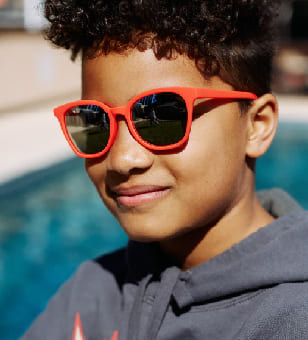
Make sunglasses a non-negotiable part of your child’s outdoor gear. Look for durable, well-fitting, and fun styles to encourage regular use.

Sunglasses with UV Protection Last Forever
You’ve bought the perfect pair of sunglasses with top-notch UV protection. But do they keep your eyes safe forever?
The Truth:
UV protection coatings can degrade over time due to exposure to sunlight, heat, and daily wear and tear. Scratches on the lenses can also reduce their effectiveness. Most experts recommend replacing your sunglasses every two years, or sooner if you notice scratches or fading.
A Real-World Analogy:
Think of your sunglasses like sunscreen. You wouldn’t use the same bottle year after year and expect it to work just as well. Sunglasses need to be replaced to ensure ongoing protection.
Expert Quote:
Dr. Gary Heiting, OD, advises, “Inspect your sunglasses regularly for signs of wear. If they’re scratched, warped, or the coating is peeling, it’s time for a new pair.”
Takeaway:
Check your sunglasses regularly and replace them as needed to maintain optimal protection.
Actionable Tips for Choosing the Right Sunglasses
And How not to be a Victim of Misconceptions About Sunglasses
Now that we’ve busted the biggest misconceptions about sunglasses, let’s turn knowledge into action. Here are some practical tips to help you choose the perfect pair of sunglasses:
1. Look for 100% UVA and UVB Protection
Always check the label. “UV400” or “100% UV protection” means your eyes are shielded from both UVA and UVB rays.
2. Don’t Judge by Darkness or Price
A darker lens or a higher price tag doesn’t guarantee better protection. Always verify the UV rating.
3. Match Lens Material to Your Lifestyle
Active? Go for polycarbonate. Seeking ultimate clarity? Try glass. For everyday wear, CR-39 or Trivex are excellent choices.
4. Choose the Right Lens Color for Your Needs
Gray lenses offer true color perception, brown enhances contrast, and green reduces glare and eye strain. Pick what suits your activities best.
5. Replace Sunglasses Regularly
Inspect for scratches or fading, and replace every two years or as needed.
6. Invest in Specialized Pairs
Consider having different sunglasses for sports, driving, fashion, and children.
7. Make Sunglasses a Daily Habit
Wear them year-round, even on cloudy days, and encourage your kids to do the same.
 Carrera Victory C 03 CA71CMJ 58 16
Protecting Your Eyes, Enhancing Your Life
Let’s bring these lessons to life. Imagine you’re planning a family beach day. You pack sunscreen, hats, and water bottles. But do you remember sunglasses for everyone—including the kids? Or maybe you’re an avid cyclist, braving the open road in all kinds of weather. The right pair of wraparound, polarized sunglasses can mean the difference between a safe ride and a dangerous glare-induced mishap.
By applying these insights, you’re not just avoiding misconceptions about sunglasses and protecting your vision—you’re enhancing your daily experiences, whether you’re driving, playing sports, or simply enjoying a sunny afternoon in the park.

See Clearly, Live Boldly
Misconceptions about sunglasses are everywhere, but the truth is clear: protecting your eyes is about more than just looking good. It’s about making informed choices that safeguard your vision for years to come.
At OpticalH, we’re passionate about helping you see the world in all its beauty—safely, stylishly, and confidently. Our curated collection features sunglasses that meet the highest standards for UV protection, durability, and design. Whether you’re searching for timeless classics, sporty performance shades, or fun styles for your kids, we have something for everyone.
Ready to upgrade your eye protection? Visit OpticalH today and discover sunglasses that do more than just look good—they keep your vision safe, every day. Don’t let myths cloud your judgment—choose clarity, choose OpticalH.
Your eyes are your windows to the world. Protect them with knowledge, style, and the right pair of sunglasses. Start your journey to better eye health today at OpticalH!
Read more

Using our guide, you can embark on your authentic CHANEL eyewear journey with confidence. This detailed guide reveals essential tips to help you identify...

When you think of luxury fashion, few brands evoke the same sense of timeless sophistication and innovative design as Gucci. With a history steeped in...