Frequently Asked Questions
Check the answers to the most frequently asked questions about our sunglasses.
It is the number one barrier when shopping online, but it has a very simple technical solution: the caliber. If you look at the arm of a pair of glasses that fit you well, you will see three numbers (e.g., 52-18-140). The first is the caliber (lens width). At OpticalH, you can filter by this data. If you have a narrow face, look for calibers below 50mm. If it's medium, between 51-54mm. If it's wide, from 55mm onwards. It is the mathematical way to always get it right, beyond the shape of the glasses.
It depends on what you are looking for, and in our catalog, we have all three for a reason. The acetate (plastic) is the king of style: it allows for deep colors, is hypoallergenic, and very durable; ideal for daily use and fashion. The metal (or titanium) is for those seeking lightness, minimalism, and discreet elegance. The injected materials (nylon/propionate) are what we use in sports glasses due to their flexibility and impact resistance. Choose the material according to the use you will give it.
It matters a lot, and it is not the same as UV protection (all our glasses are UV400). The category indicates how much light they block.
Cat. 3: It is the gold standard. Blocks 80-90% of light. It is what you need for the beach, driving, and everyday life in Spain. 90% of our catalog is here.
Cat. 2: Lenses that are lighter or gradient, perfect for cloudy days or a city "look".
Cat. 4: Extreme lenses for high mountains. Caution! Prohibited for driving because they are too dark.
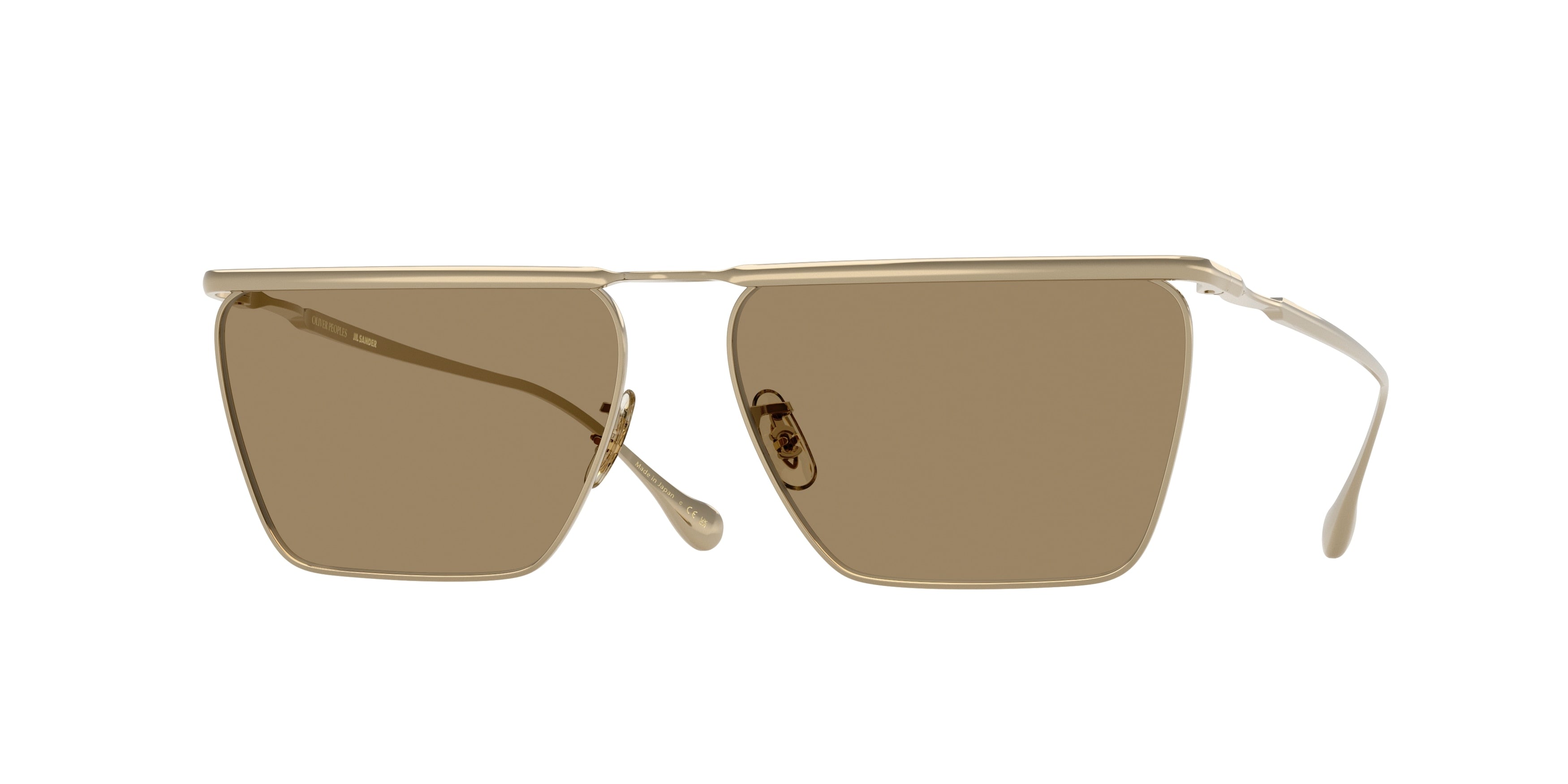
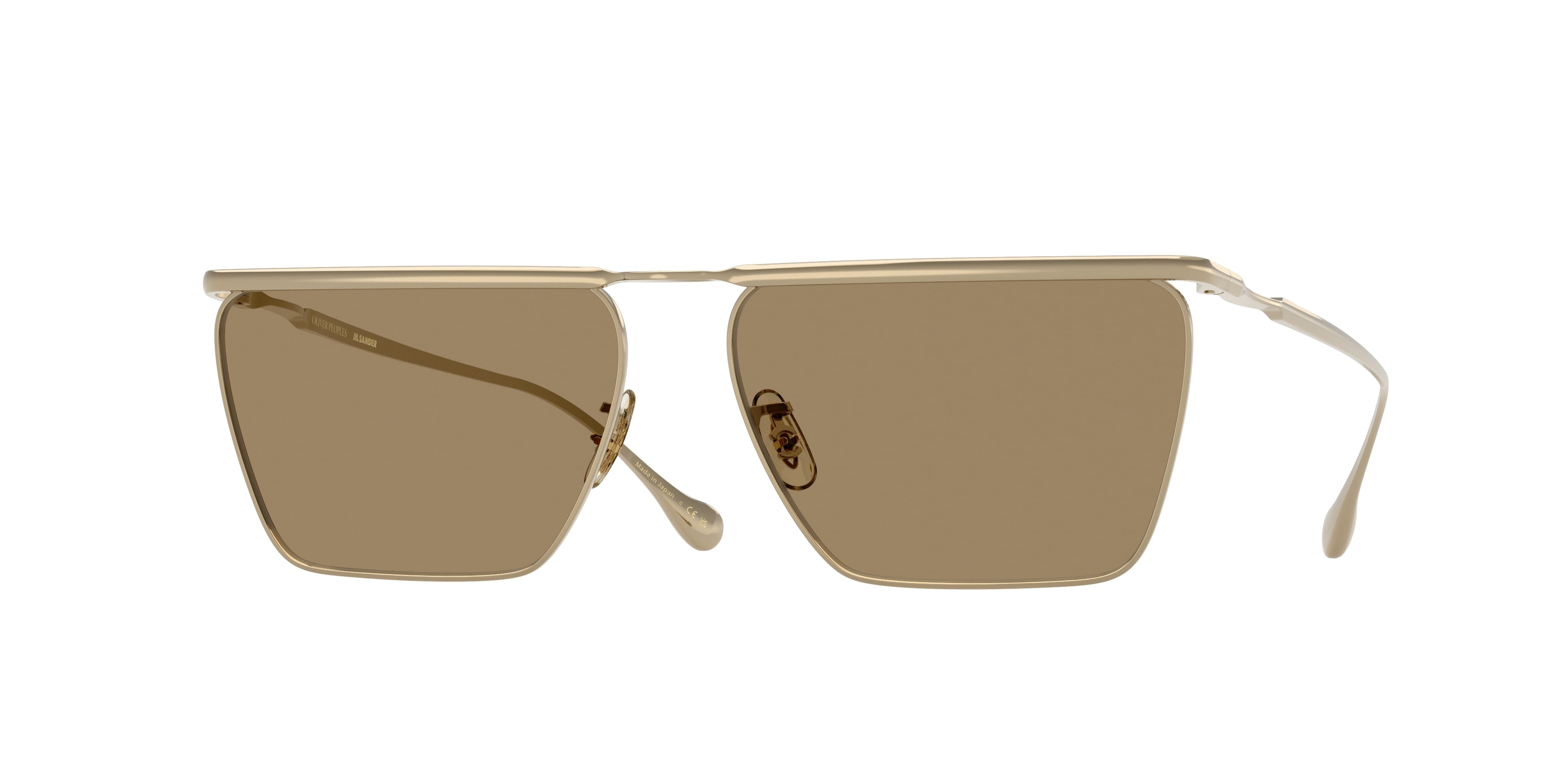
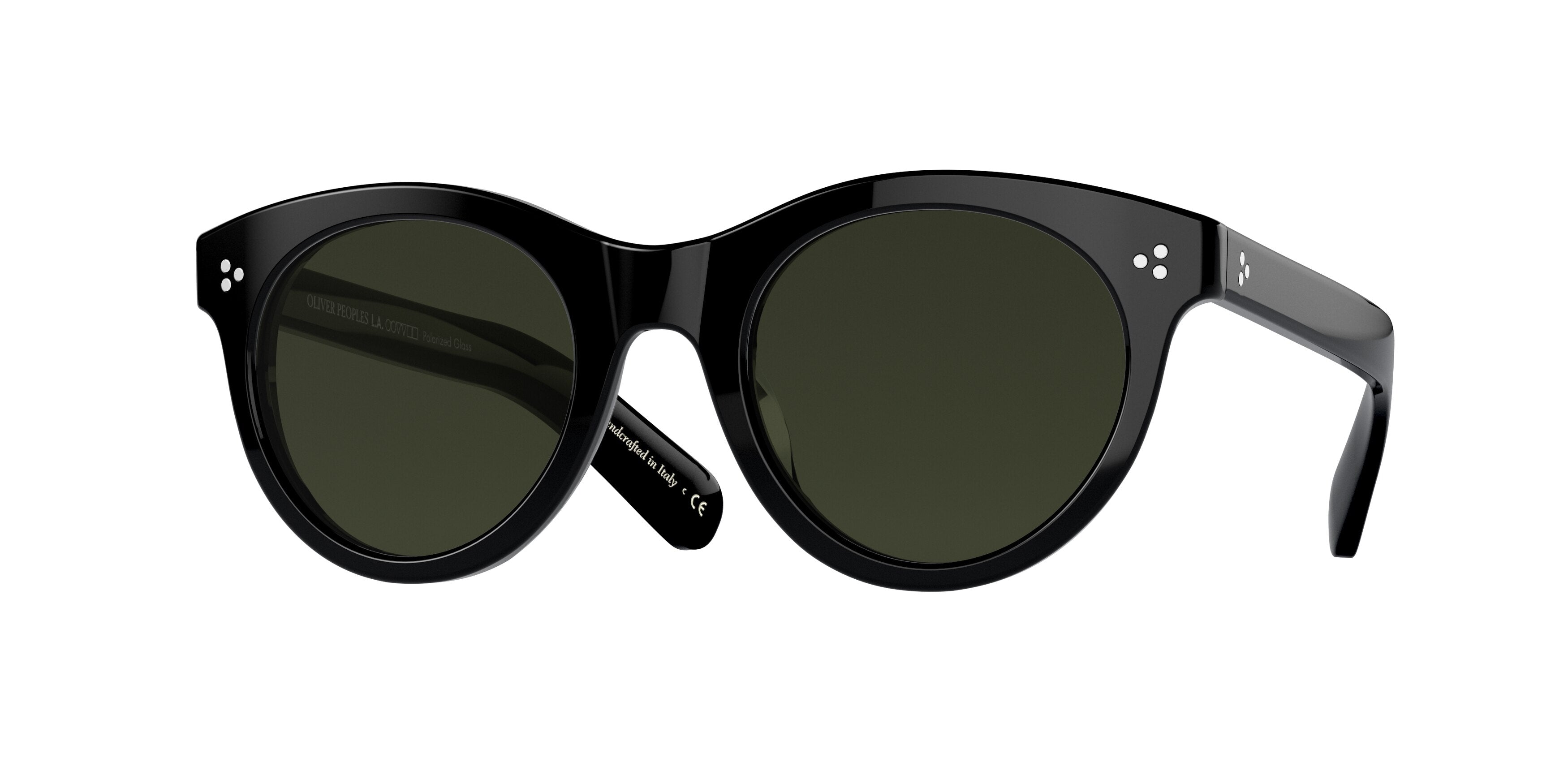
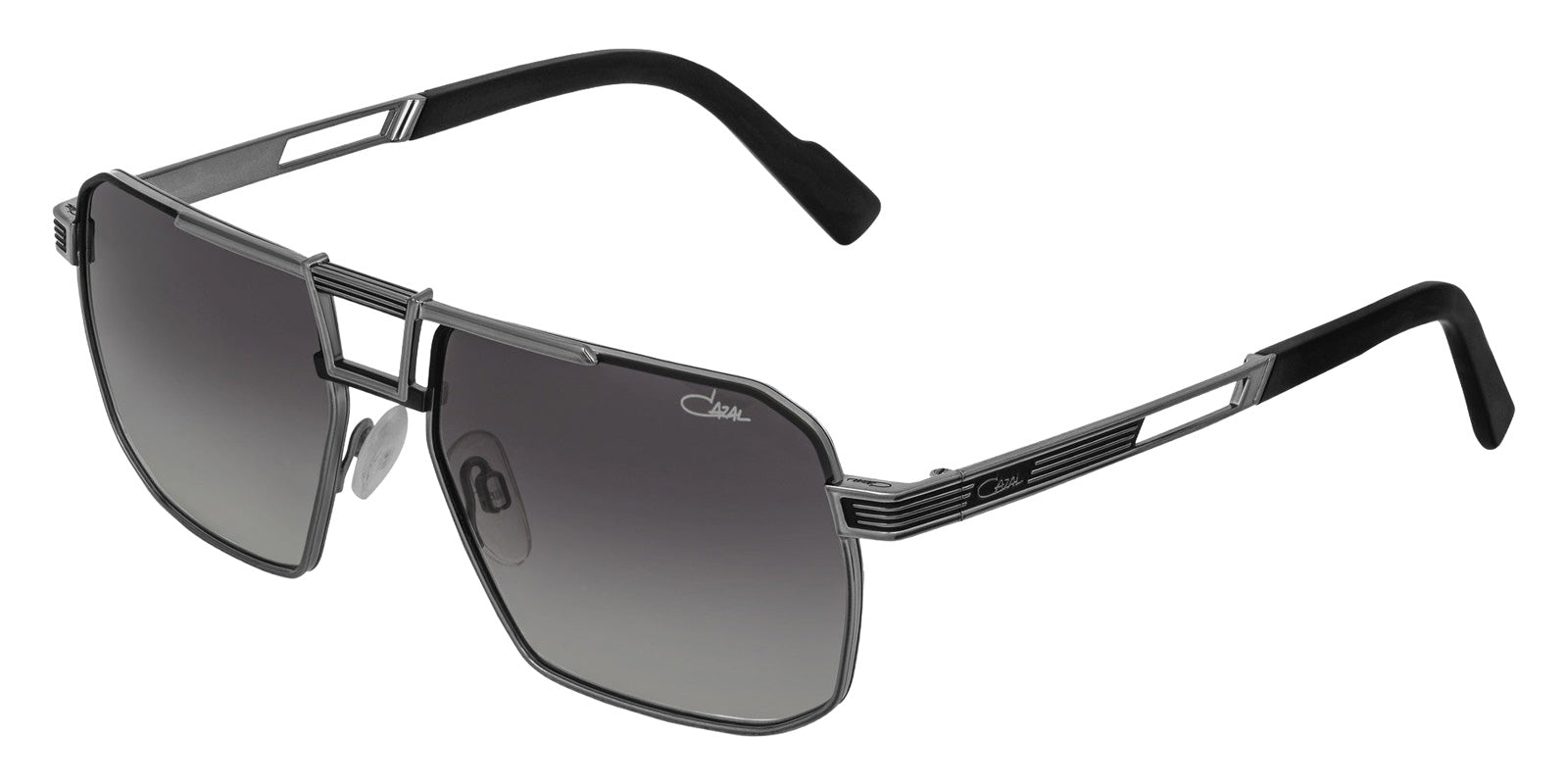
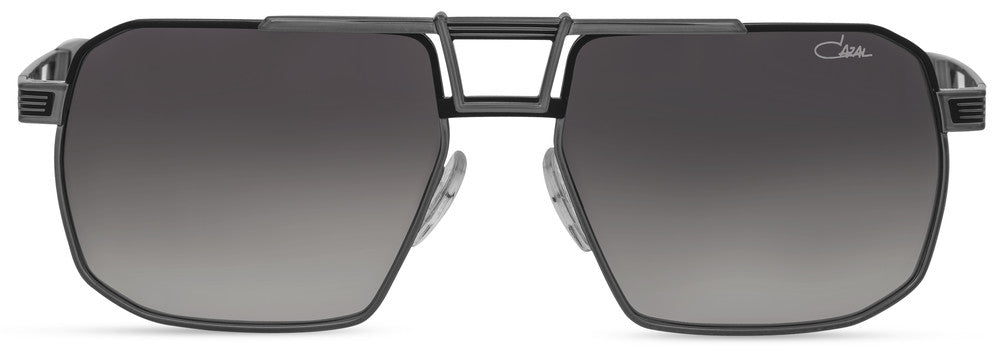
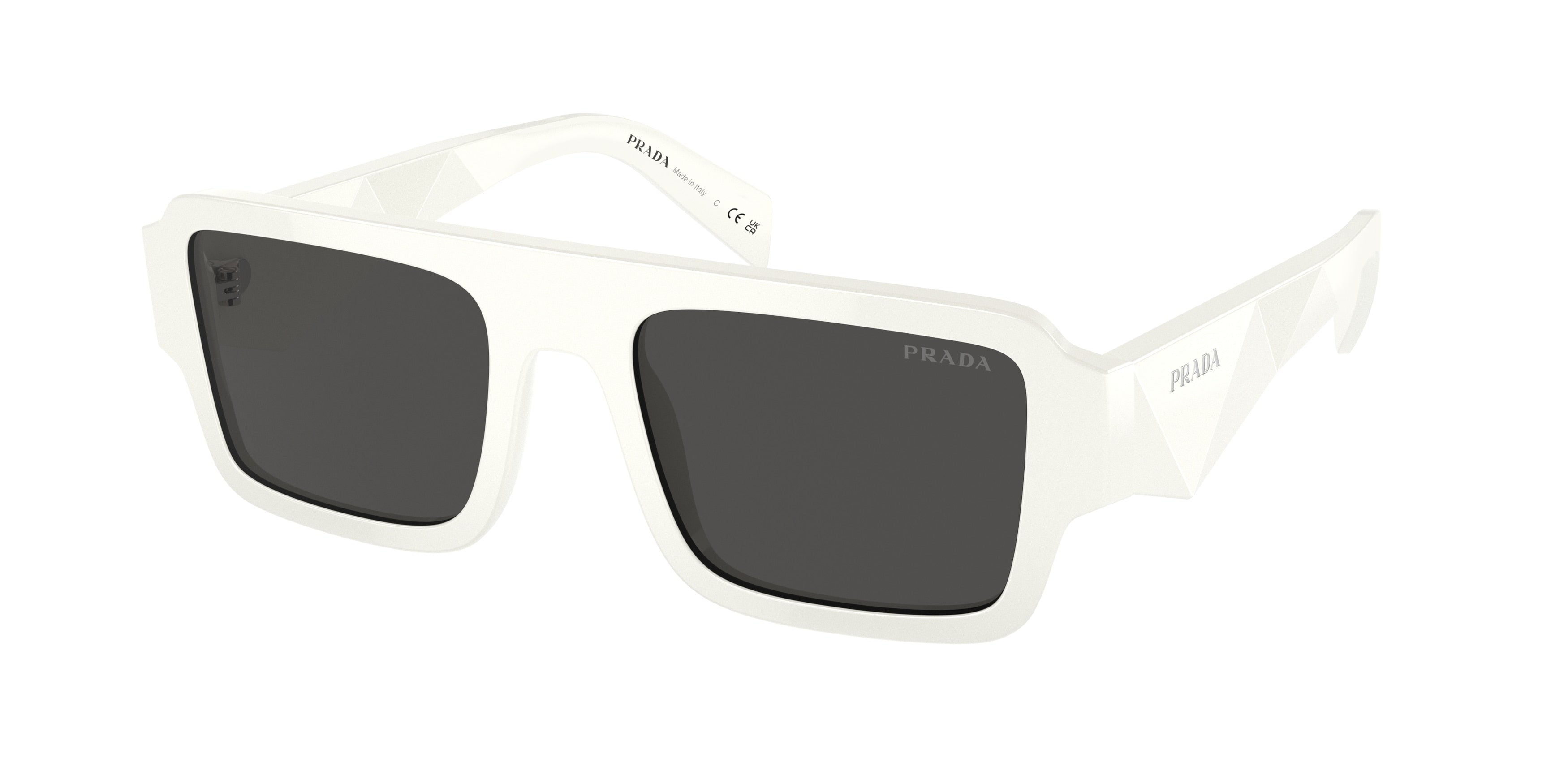
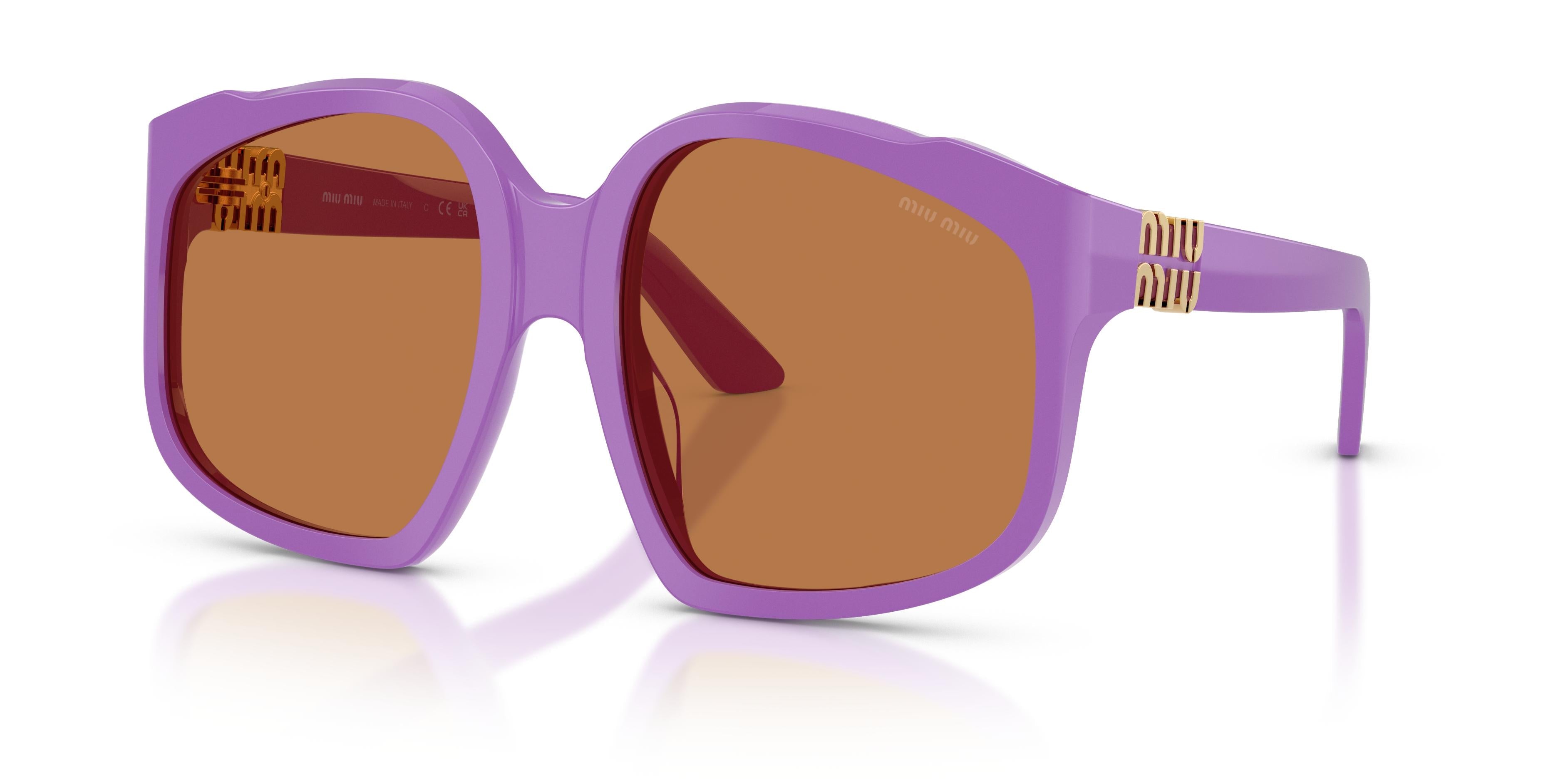
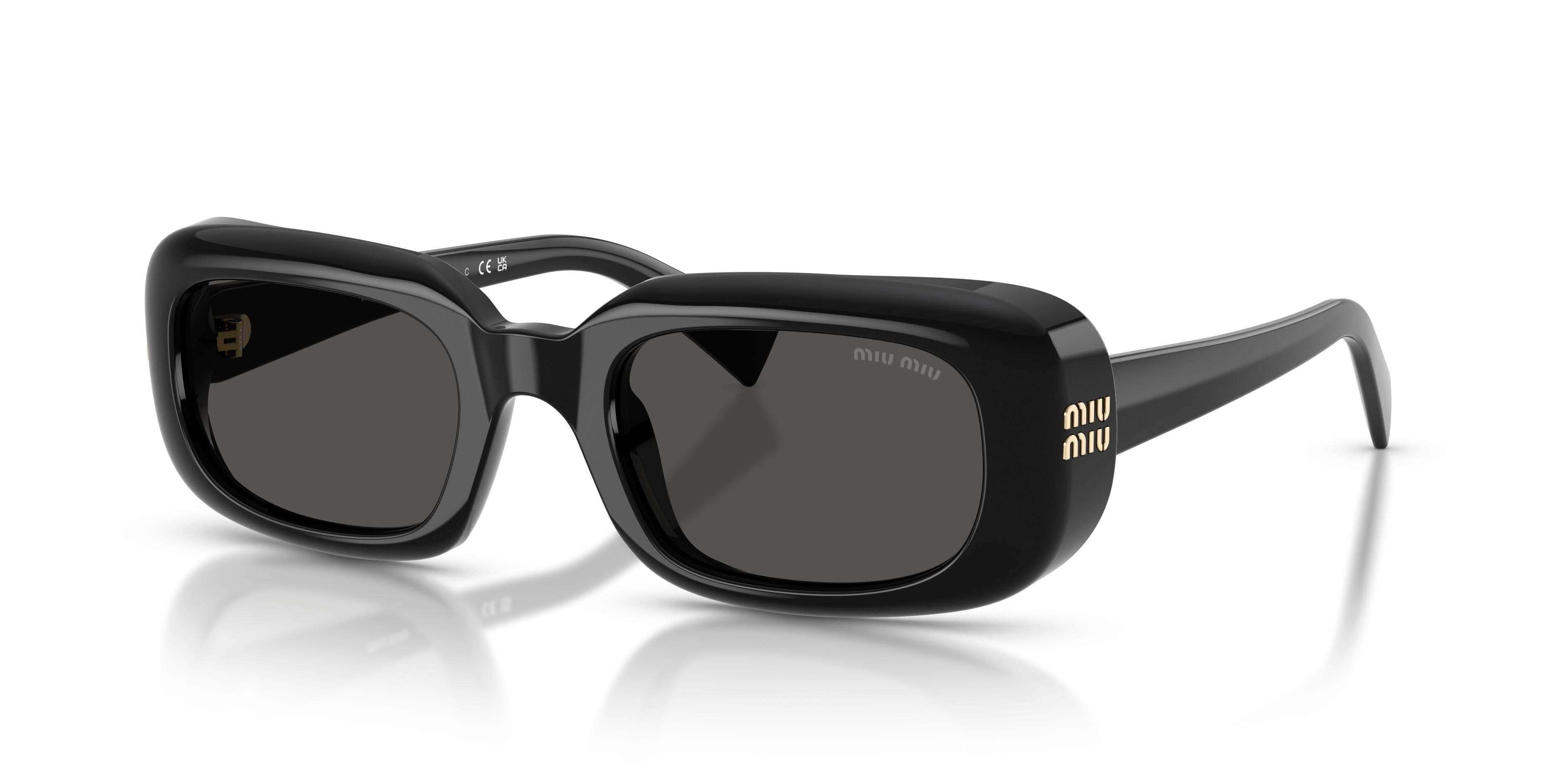
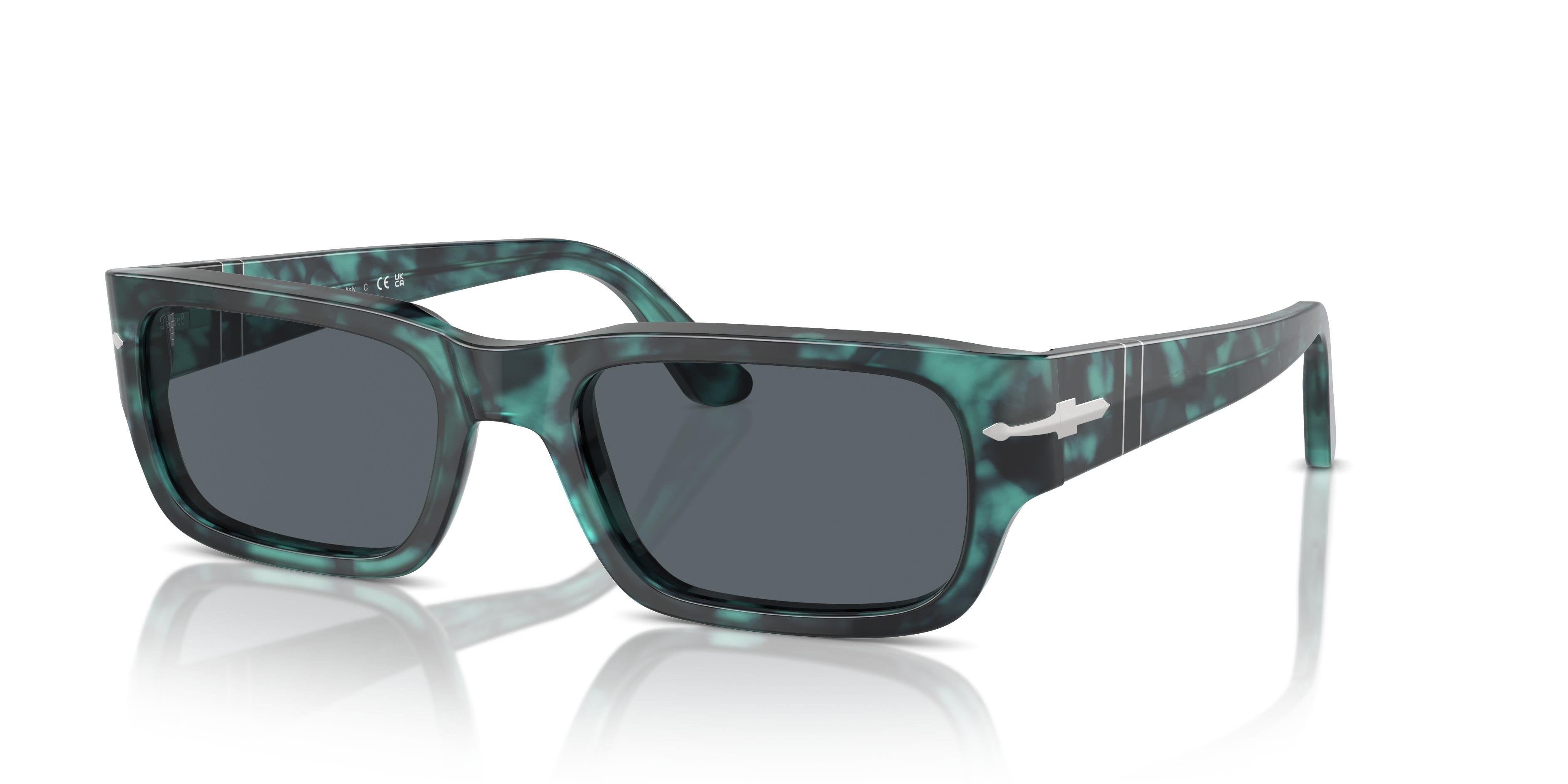
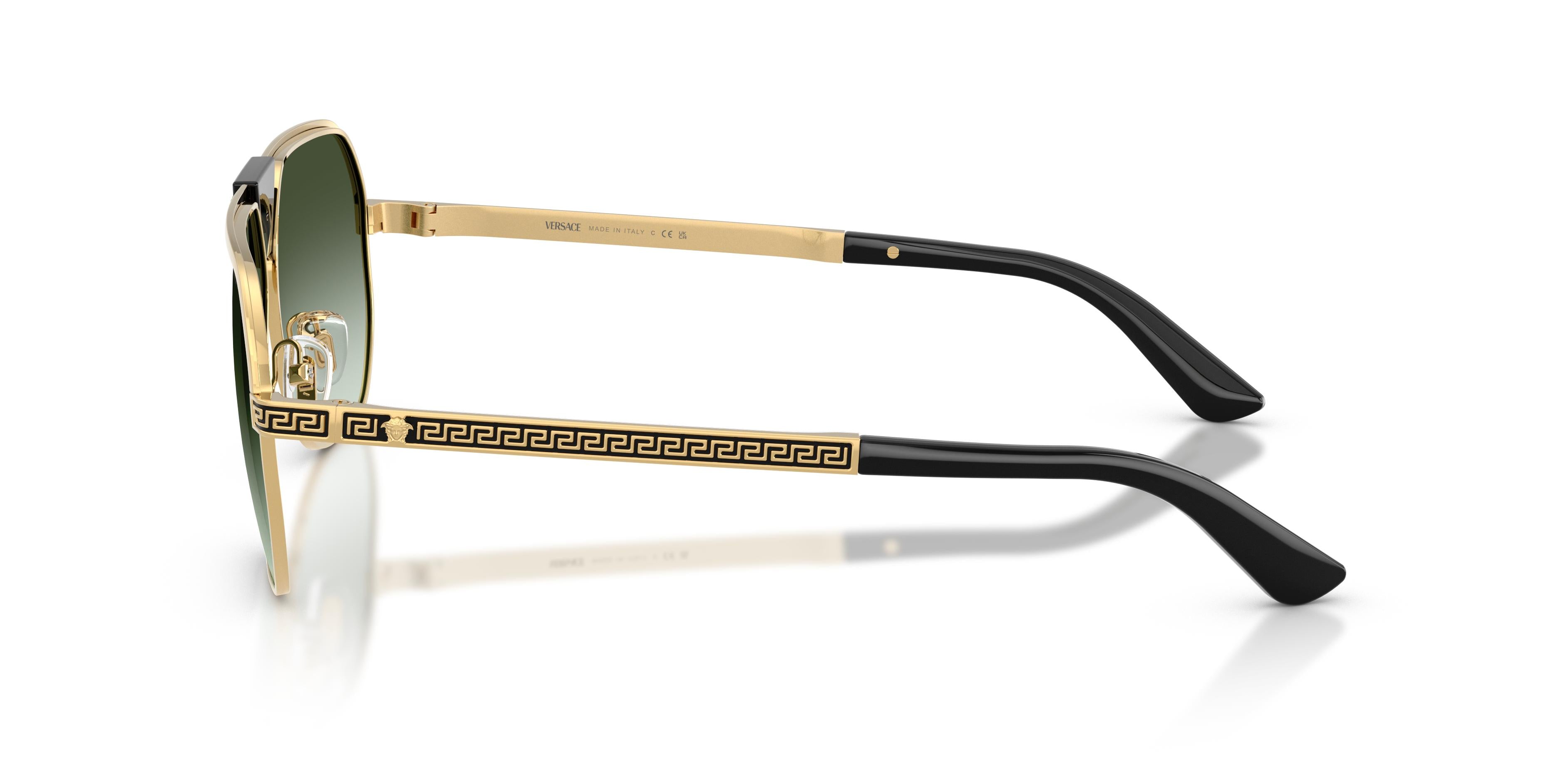
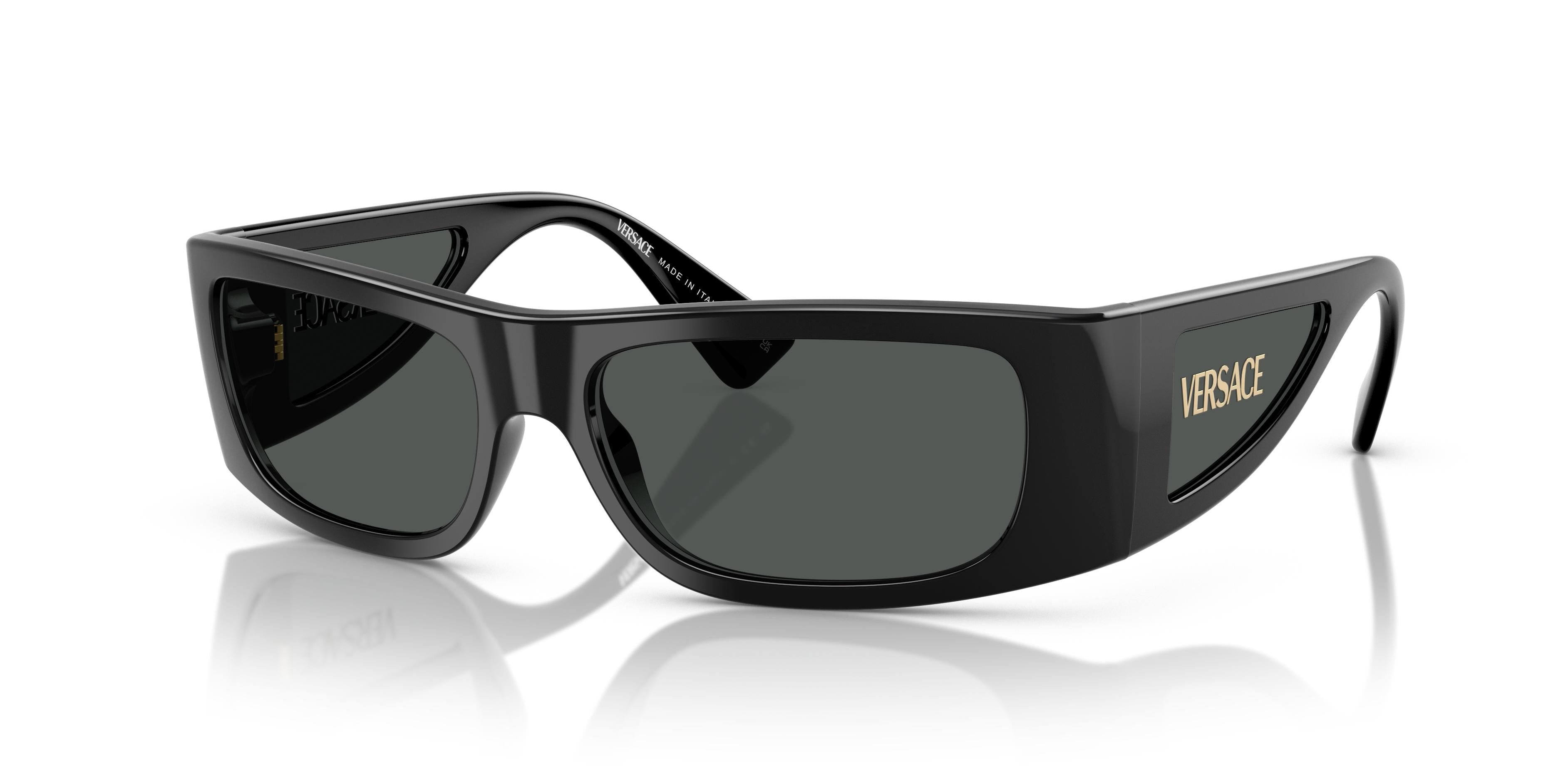
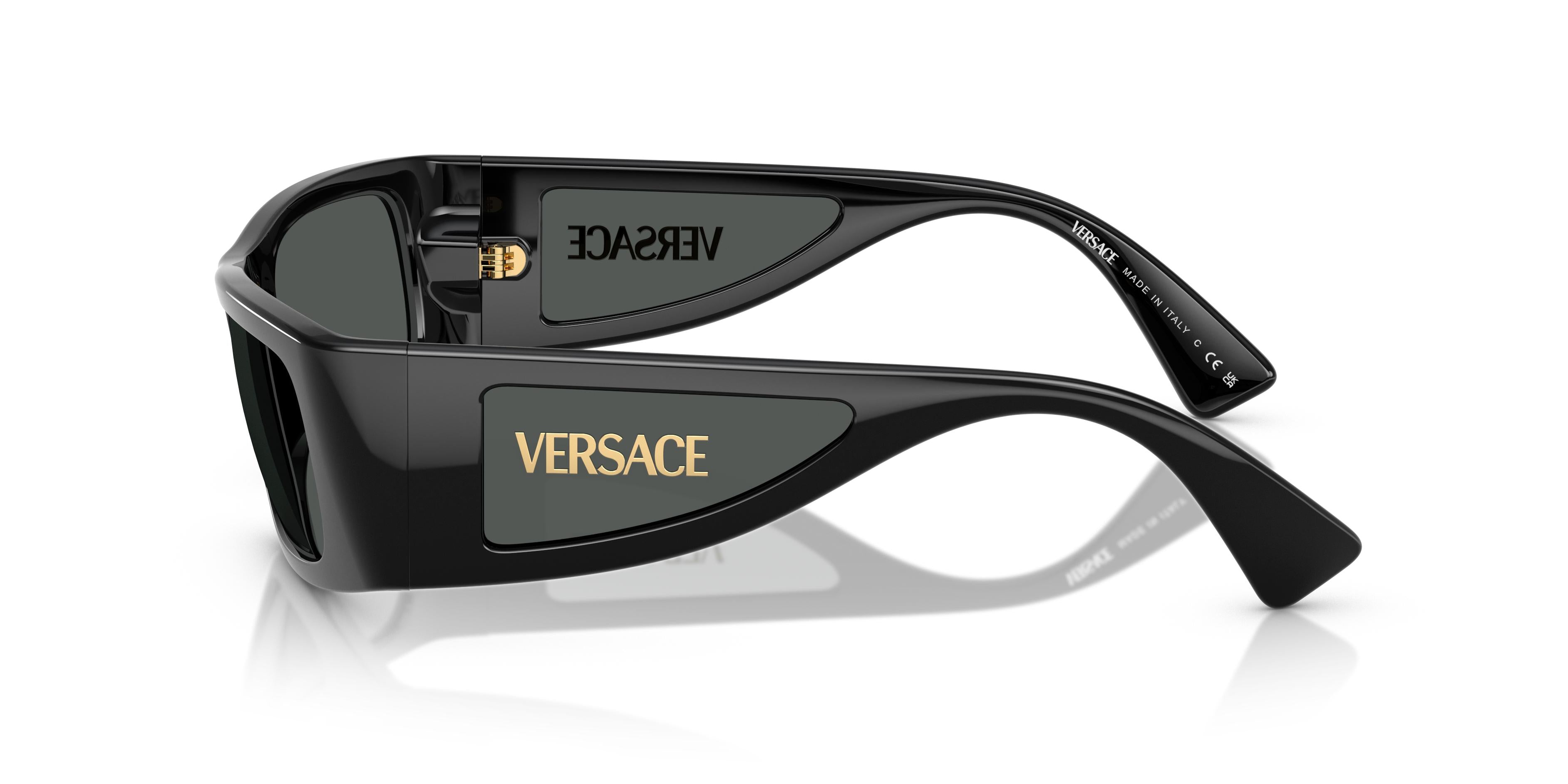
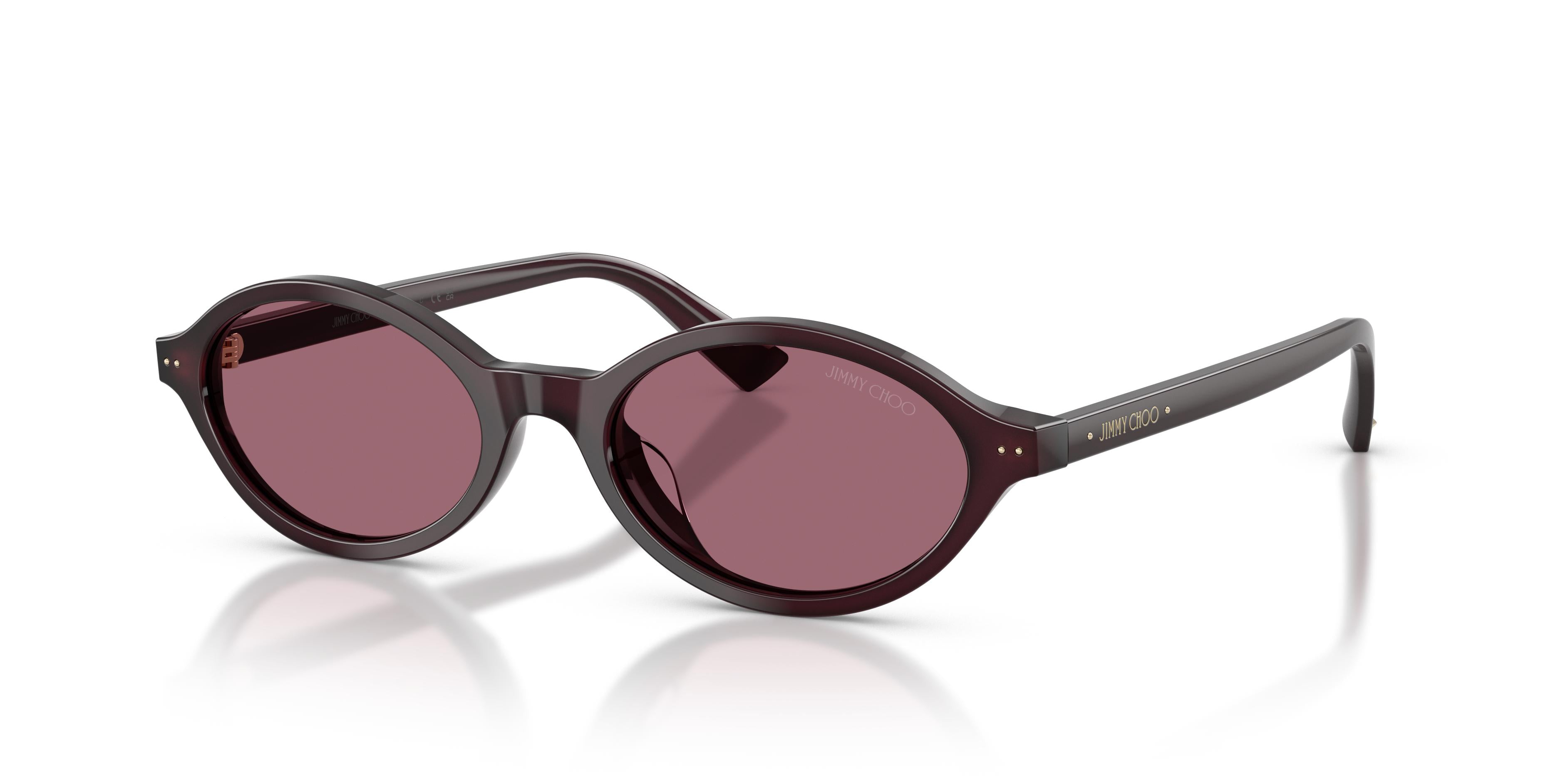
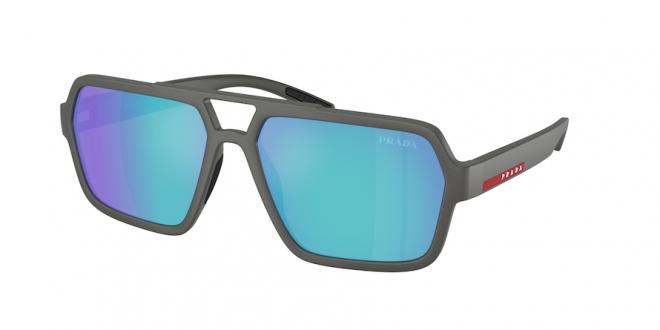
Our sunglasses category is a "living organism." On one hand, we always maintain the Icons (Aviator, Wayfarer, Clubmaster) because they are timeless wardrobe staples. But each season we update the catalog with the micro-trends from the runway: right now, for example, you will see a strong presence of 90s rectangular silhouettes, futuristic "mask" frames, and thick, geometric acetates. Here, heritage and avant-garde coexist.
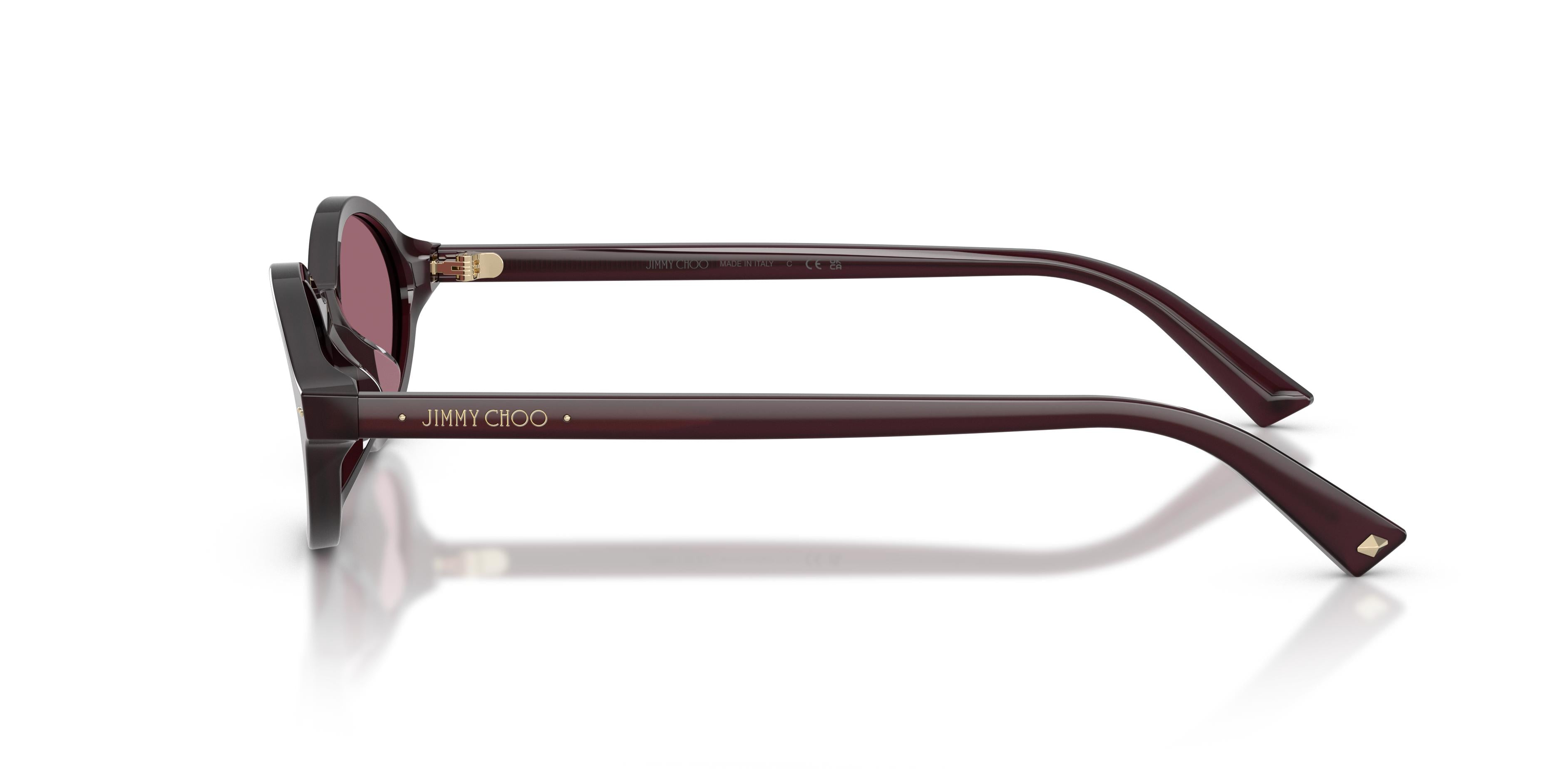
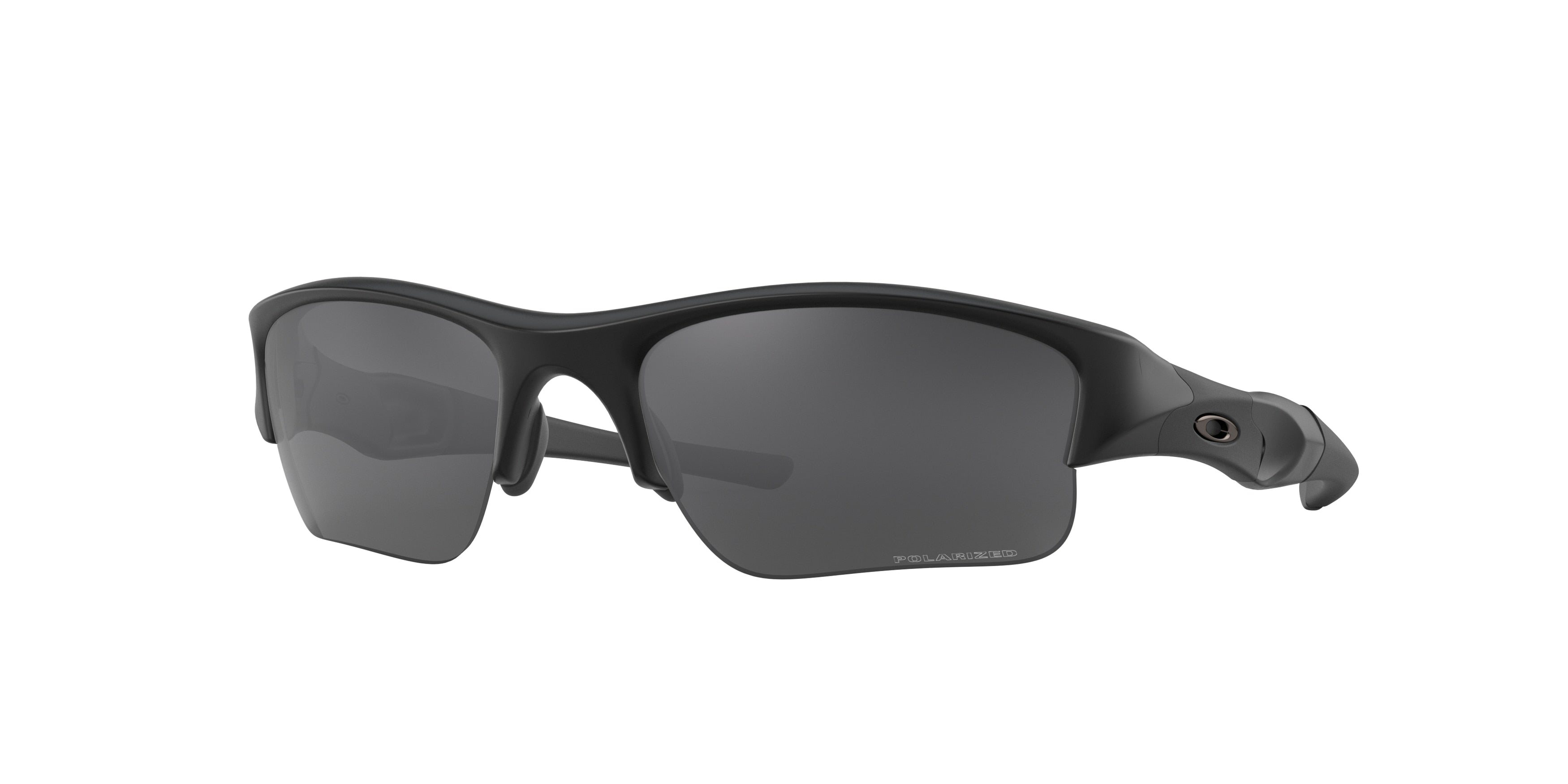
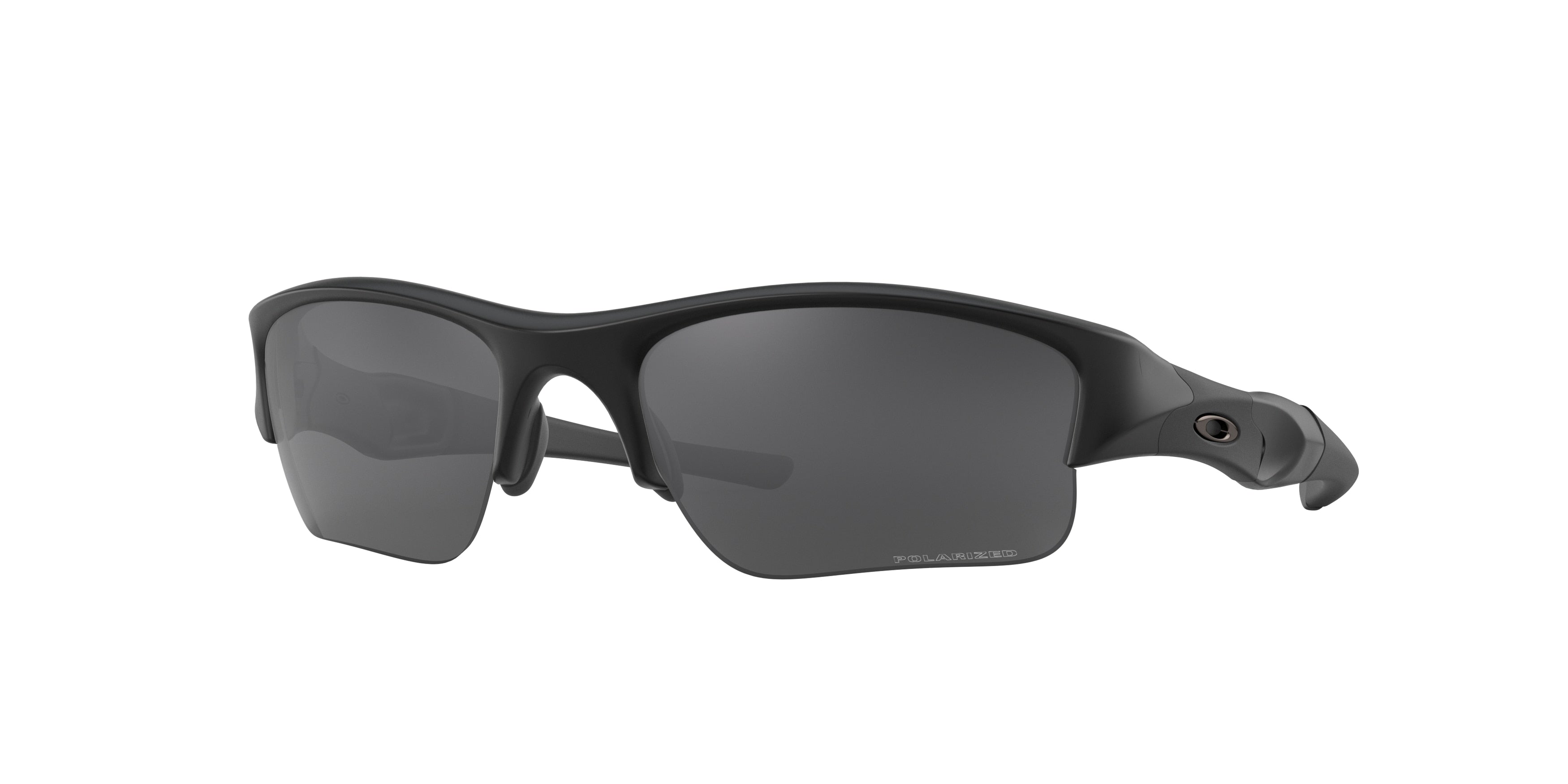
It's the million-dollar question. UV protection is the minimum standard, but the price reflects the engineering and craftsmanship. In a luxury eyewear (like Cartier or Dita), you pay for precious metals, hand-polished Japanese acetates for weeks, and high-definition mineral glass lenses. In lifestyle brands (like Vogue or Arnette), you pay for design and trend at an accessible price. In technical brands (like Oakley or Maui Jim), you pay for R&D in lenses that enhance contrast and performance. At OpticalH, we select the best from each range so you pay fairly for what you receive.


